Storm Prep
A practical pre-hurricane roof checklist for Florida homeowners: what to inspect, how to document for insurance, and exactly what to do after a storm.
Hurricane season in Florida runs from June 1 through November 30, with the greatest activity typically falling between August and early October. Every year we get calls from Central Florida homeowners whose roofs sustained damage that a straightforward pre-season inspection would likely have caught.
Wind does not usually destroy a sound roof outright. It finds the weak point that was already there, lifts it, and lets water in behind it. Preparing your roof is mostly a matter of eliminating those weak points before a storm has the chance to find them.
A Central Florida roof faces a combination that few other regions deal with: sustained UV exposure, near-daily summer thunderstorms, high humidity, and the possibility of hurricane-force wind driving rain horizontally against surfaces designed to shed water falling straight down.
That last point is the one homeowners underestimate. Wind-driven rain gets underneath shingle edges, behind flashing, and through soffit vents in ways that ordinary rainfall never does. A roof can be entirely watertight in a normal afternoon storm and still leak in a hurricane.
The single most valuable thing you can do is have the roof looked at before the season gets busy. During a pre-season roof inspection, here is what actually gets checked:
A written, photographed inspection also gives you something valuable: a documented record of your roof's condition before the storm. That record is often what separates a smooth insurance claim from a disputed one.
Clogged gutters cause water to pool and back up under the roof edge during heavy rain. Clear them out, confirm water actually runs through the downspouts, and make sure discharge is directed away from the foundation.
Branches abrade shingles in normal wind and become projectiles in a storm. Anything overhanging the roof or within striking distance of it should come back. This is one of the highest-value items on the list.
A single lifted shingle or a cracked vent boot is a modest repair in May. The same defect after a hurricane can mean water damage across ceilings, insulation, and drywall. Small problems are what wind exploits.
Loose or damaged soffit panels let wind-driven rain directly into the attic, bypassing the roof entirely. They are also a common failure point that homeowners rarely think to look at.
Satellite dishes, solar attachments, vents, and any rooftop mounts should be checked for secure fastening. If you have panels, confirm the mounting hardware is sound. Our solar maintenance visits include a look at attachment points.
Patio furniture, grills, planters, umbrellas, and loose fencing all become airborne debris that can strike the roof. Have a plan for where these things go, and make it something you can execute in an hour.
This is the step homeowners skip, and it is the one that costs the most when a claim goes sideways.
Review our roofing FAQs for more on how claims and inspections typically work.
Stay off the roof. Assume any downed line is live, watch for standing water near electrical panels, and do not enter an area where the ceiling is sagging or actively holding water.
Photograph and video everything, inside and out, before moving debris or making temporary repairs. Include wide shots that establish context along with close-ups of specific damage. Keep receipts for anything you buy or pay for.
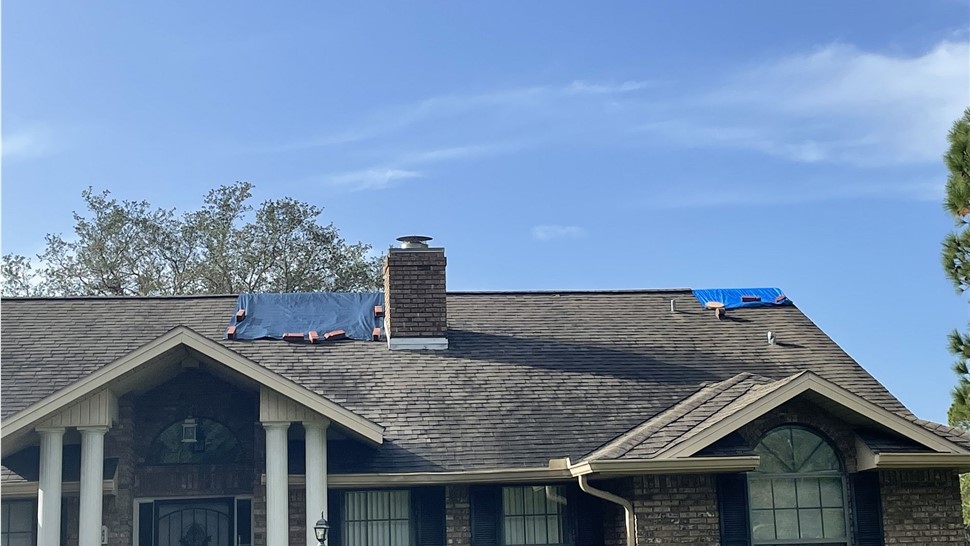
If water is actively entering the home, a professional tarp or temporary dry-in limits the damage while you wait for permanent repairs. This is emergency work that belongs to someone with the right equipment, not a homeowner on a wet roof.
Get a real inspection and a written scope. If you file a claim, that documentation is what the adjuster works from.
Storms attract out-of-town operators. A few things to watch for:
Plenty of hurricane damage is invisible from the driveway, which is why homeowners sometimes assume they came through fine and discover a problem months later. Common examples:
If a named storm passed over your area, it is worth having the roof looked at even if nothing appears wrong. Most carriers have time limits on when storm damage can be reported, so waiting works against you.
Once a system is forecast to affect Central Florida, every roofer in the region is booked and materials tighten up. The homeowners who come through storm season best are the ones who handled inspections and small repairs in spring, when there was time to do the work properly.
If your roof is older or you already know it needs attention, look at roof replacement options and financing before the season peaks rather than during a rush.
Spring is ideal, before June 1. If you missed that window, an inspection is still worthwhile at any point in the season, particularly after any significant storm passes through.
Once a year is a reasonable baseline, plus after any major storm. Older roofs and tile roofs benefit from closer attention.
Yes. Roof-to-wall connections are a major factor in how a structure performs in high wind, and they are one of the features insurers evaluate during a wind mitigation inspection.
If a named storm affected your area, yes. Broken seals, loosened fasteners, and lifted shingles frequently leave no trace visible from the ground.
Wind damage from a hurricane is generally covered, subject to your hurricane deductible and whether your roof is insured at replacement cost or actual cash value. Coverage on older roofs is often more limited, so read your policy before you need it.
Yes. Emergency tarping and temporary dry-in are part of our roofing services, and we document the damage while we are there so your claim has proper support.
JTO Roofing and Solar has helped Central Florida families prepare for and recover from storm seasons since 2014. We will inspect your roof, photograph what we find, and tell you plainly whether it needs work or whether it is ready.
Call 407-732-7500 or schedule a free inspection. We serve Orlando, Sanford, Lake Mary, Winter Park, Oviedo, Apopka, Longwood, Clermont, Winter Garden, and the surrounding areas on our service areas page.
FREE INSPECTIONS AVAILABLE
Get a free, no-pressure inspection from a local Central Florida roofing team. We'll explain whether repair, replacement, solar, or maintenance makes the most sense.
Premium roofing and solar engineered for Florida homes. Built to withstand. Built to save.
